Manufacturing · Quality control
Quality is checked eight times, once at every stage.
A final inspection can only find problems. Checks at every stage stop them happening.
Inspection in practice
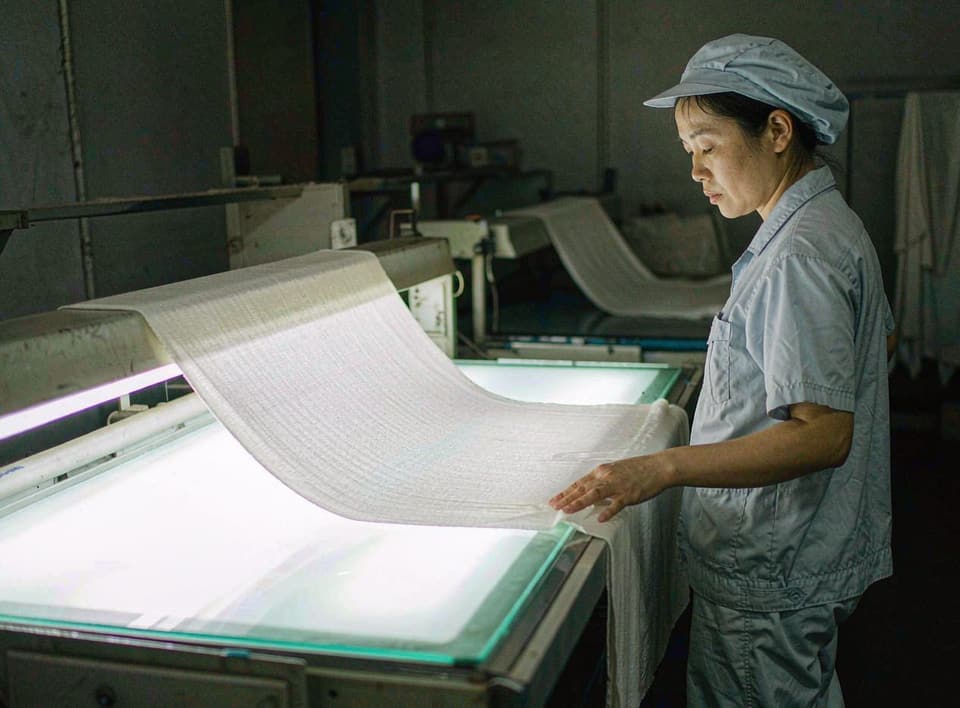
Fabric inspection on light box
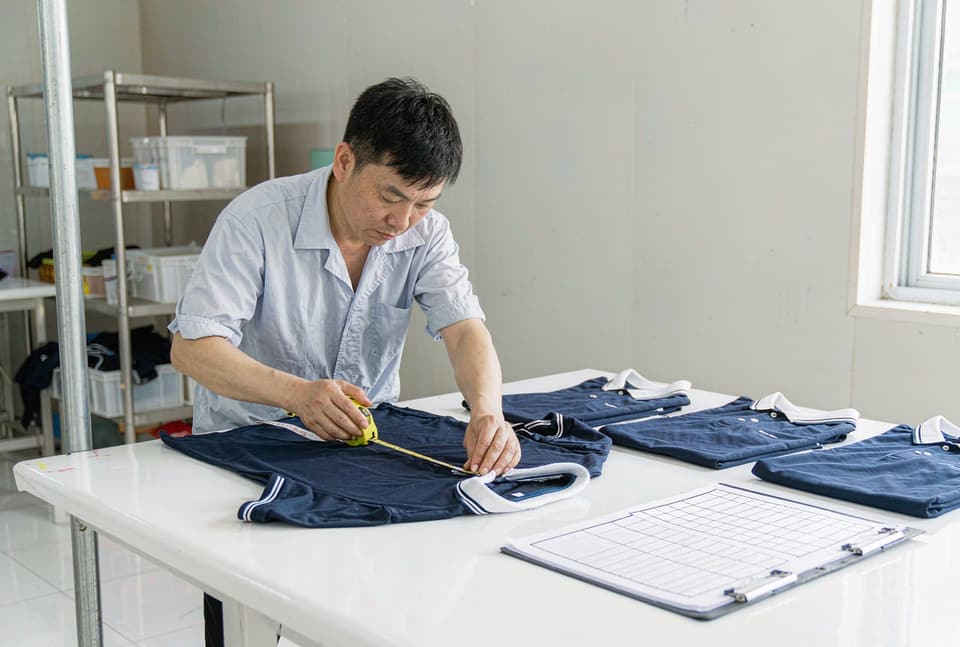
AQL polo inspection with checklist
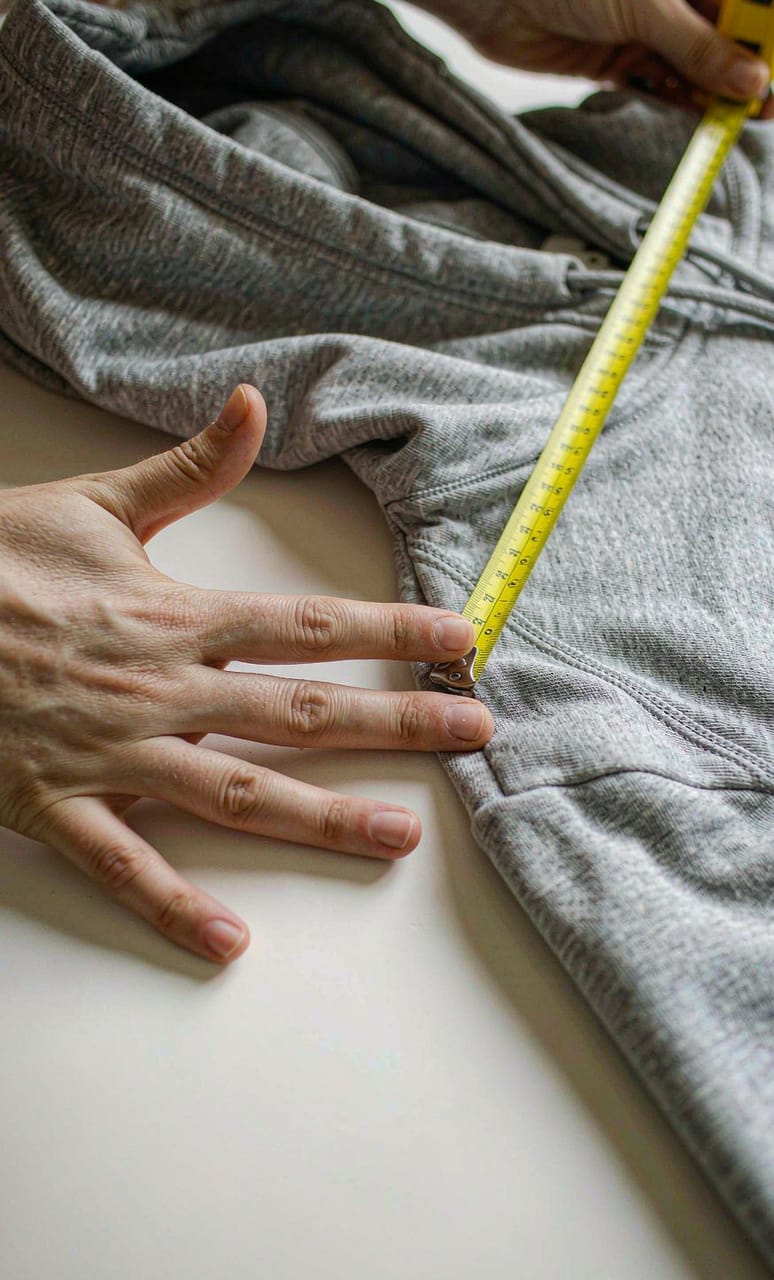
Measuring hoodie with tape
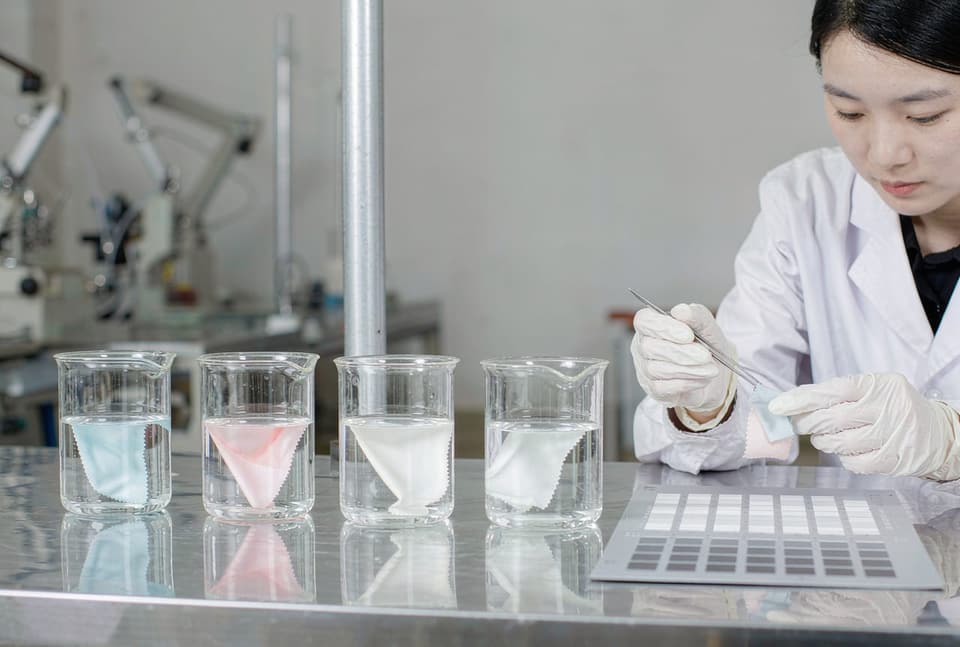
Colour fastness lab test
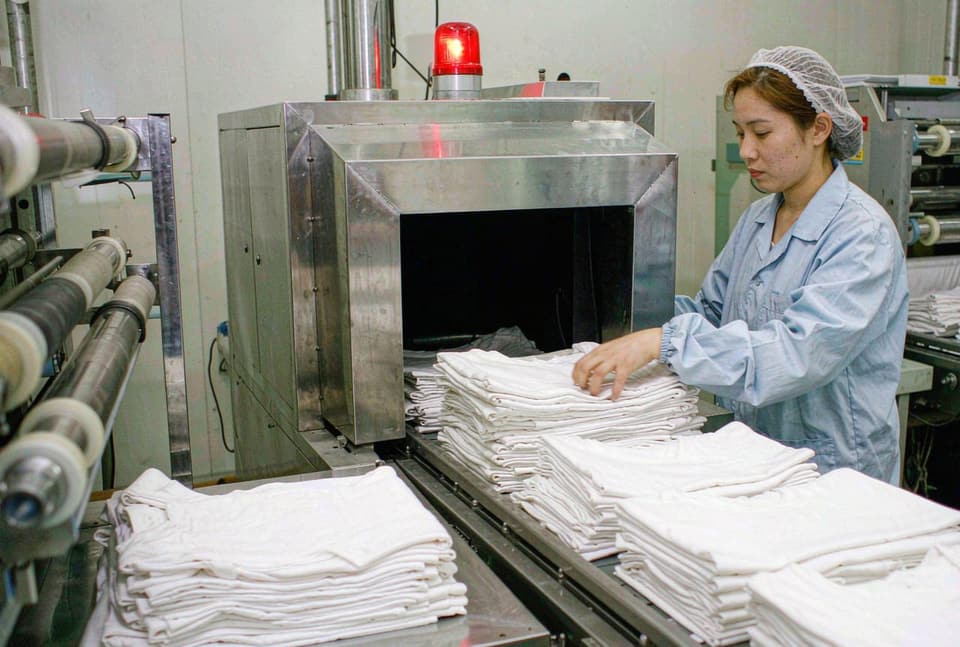
Needle detector conveyor

Final carton packing check


4-point
fabric inspection on every roll: skew, holes, shade, stains, barré
24–48h
tension-free relaxation before cutting, against shrinkage
AQL
final inspection by AQL sampling or 100% check
100%
metal needle detection on finished garments
Stage by stage
What we check, and when.

- 01Pre-production
- Shrinkage test results built into the pattern
- Graded pattern checked against the size chart
- Consumption per piece confirmed before fabric is ordered
- 02Fabric inspection & relaxation
- 4-point system on every roll
- Shade checked roll to roll
- 24–48 h tension-free relaxation before cutting
- 03Spreading & cutting
- Tension-free spreading to protect panel size
- Stripe and check matching
- Defective panels removed before sewing
- Bundles ticketed by size and colour
- 04Print & embroidery
- Decoration position checked on panels before sewing
- Backing used under embroidery to prevent puckering
- Print colour and placement approved against sample
- 05Sewing
- Stretch seams on every knit join
- Shoulder tape in every T-shirt and polo
- Inline checks during sewing
- Reinforced crotch seams on pants
- 06Pressing
- No shine or crushed loops
- Garment dimensions even after pressing
- 07Inspection & needle detection
- Key measurements against the size chart
- AQL sampling or 100% inspection
- 100% metal needle detection
- 08Packing
- Polybags vented and printed with suffocation warning
- Size stickers and carton ratio checked
- Moisture protection for export orders
FAQ
Frequently asked questions
What is the 4-point fabric inspection system?
It is a standard method of grading fabric defects: each defect scores 1 to 4 points depending on its length, and the total per roll determines whether the fabric passes. We use it to catch skew, holes, shade variation, oil stains and barré before cutting.
Why does knit fabric need relaxing before cutting?
Knit fabric is held under tension on the roll. If it is cut straight away, the panels shrink later when the fabric relaxes, after washing or even in storage. Relaxing it for 24–48 hours first keeps garments to size.
Can a third-party inspector check our order?
Yes. You are welcome to appoint your own inspection company for pre-shipment or in-line inspection.
RFQ · Tech pack or brief welcome