OEM / ODM
Bring a tech pack. Or just the brief.
OEM when you have the design. ODM when you need a partner to develop it (pattern, fabric, trims and construction) and then make it.
Start your order
Small runs, fast samples.
Start whichever way suits you.
- pcs per style & colour
- 30–50pcs per style & colour30 on stock fabric, 50 when fabric is bought in
- working days to sample
- 7working days to sampleafter details are confirmed
- working days to bulk
- 7+working days to bulkcounted from sample approval
- deposit on first orders
- 30%deposit on first orders70% before shipment
01
Just ask for a quote
- You send
- Garment, quantity and logo. One line or a reference photo is enough.
- We send back
- Fabric, trim and decoration advice, with a price
- Best for
- First-time buyers who want it handled
02
I have a tech pack
- You send
- Your tech pack, size chart or a reference garment
- We send back
- A checked list of questions, a price and a sampling plan
- Best for
- Brands with a fixed spec
03
Work out the details first
- You send
- Your picks from the trims, decoration and finishing tools, or a tech pack you build online
- We send back
- A specification and price based on your choices
- Best for
- Buyers who want to decide every detail


Every style is handled by Mr. Yu’s technical team, 30 years in apparel manufacturing.
What we can show you
Don’t judge a factory by its machines. Ask to see the paperwork.
Anyone can photograph a sewing floor. Whether a factory can really develop a product shows in what it makes along the way, and in whether it keeps those things under control so the reorder matches the first order. These are what we make and keep for every development style. Ask for any of them on a video call.
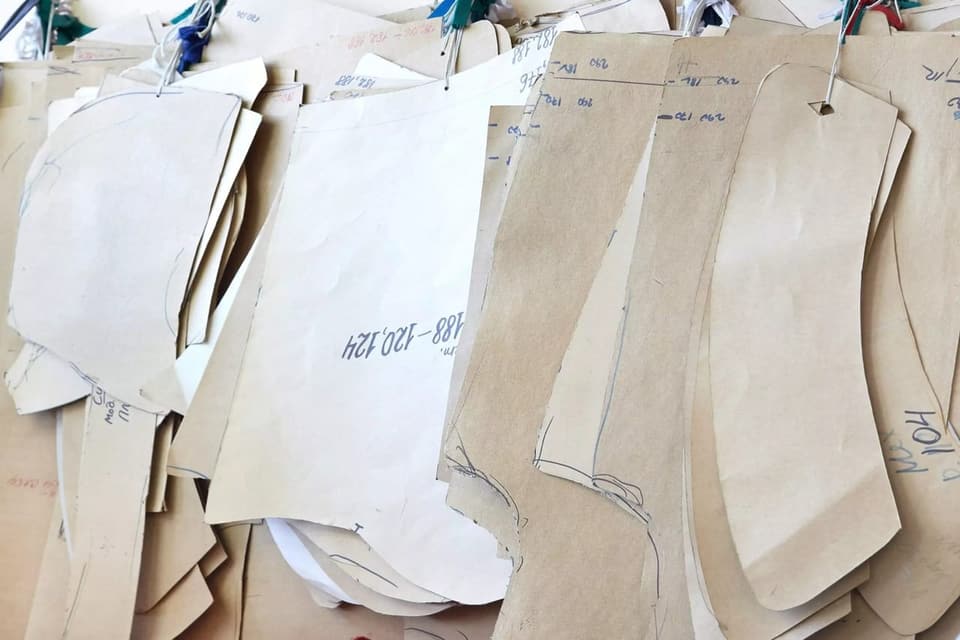
01
Paper & CAD patterns
Base pattern with the shrinkage allowance written on it, one version per sample round.
ProvesFit is engineered, not copied.
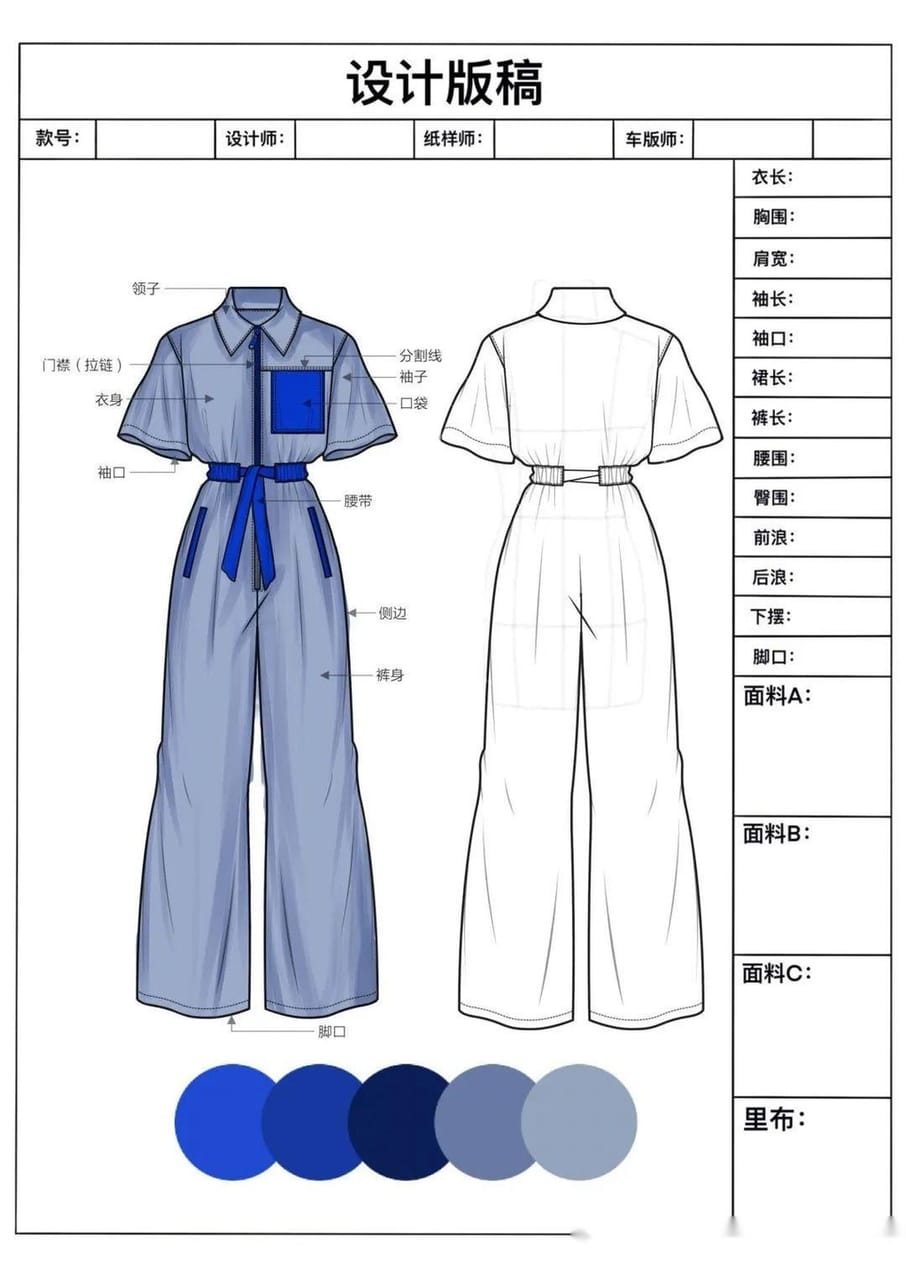
02
Tech pack
Our working copy of your spec: measurements, construction, trims, decoration, packing.
ProvesYour spec becomes factory instructions.
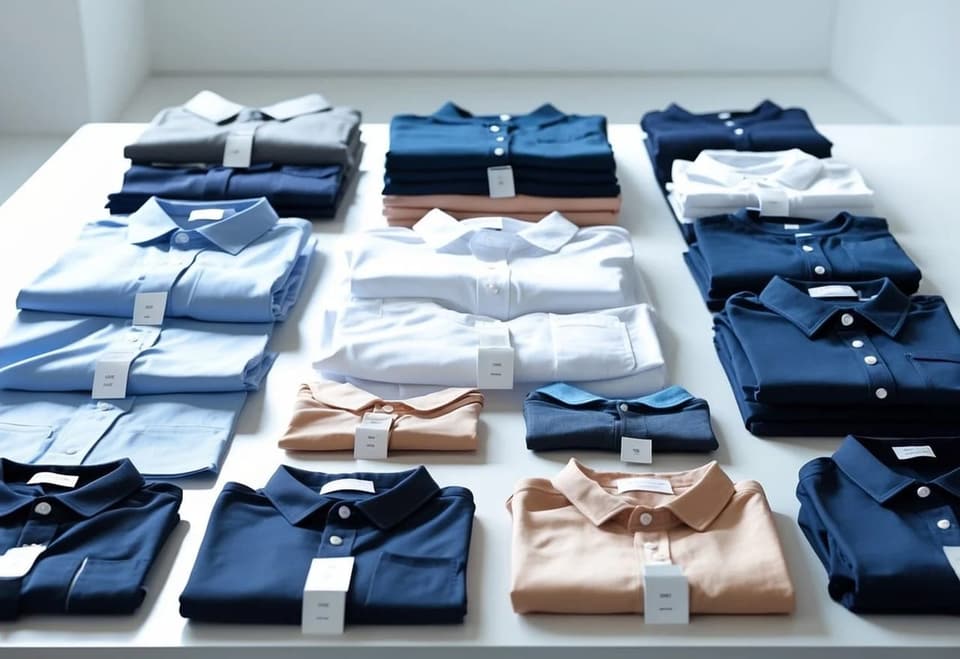
03
Sample rounds & change log
Proto, fit, PP and TOP samples, each with what changed and who approved it.
ProvesDevelopment is controlled round by round.
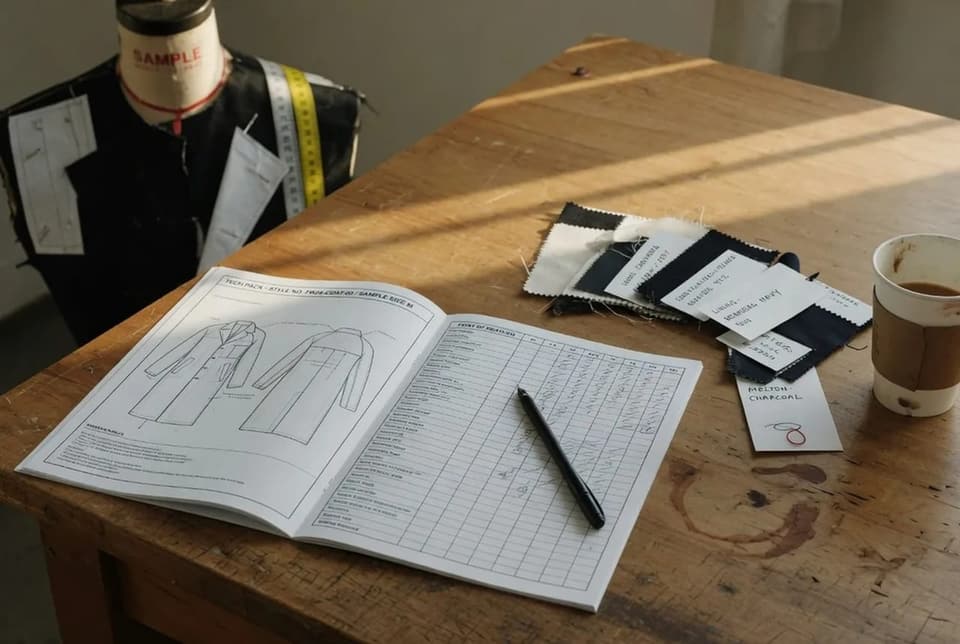
04
Fit session record
Photos on a form or a model, fit comments and the pattern corrections that followed.
ProvesFit problems are fixed before bulk.
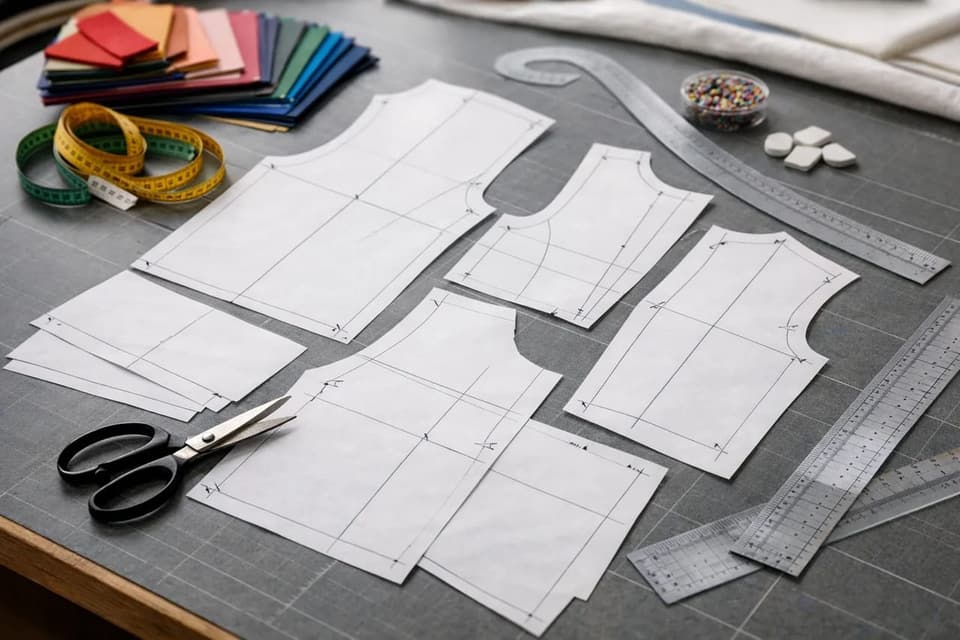
05
Graded size set
Grade rules plus measured samples in key sizes across the range.
ProvesThe whole size run holds, not just the sample size.
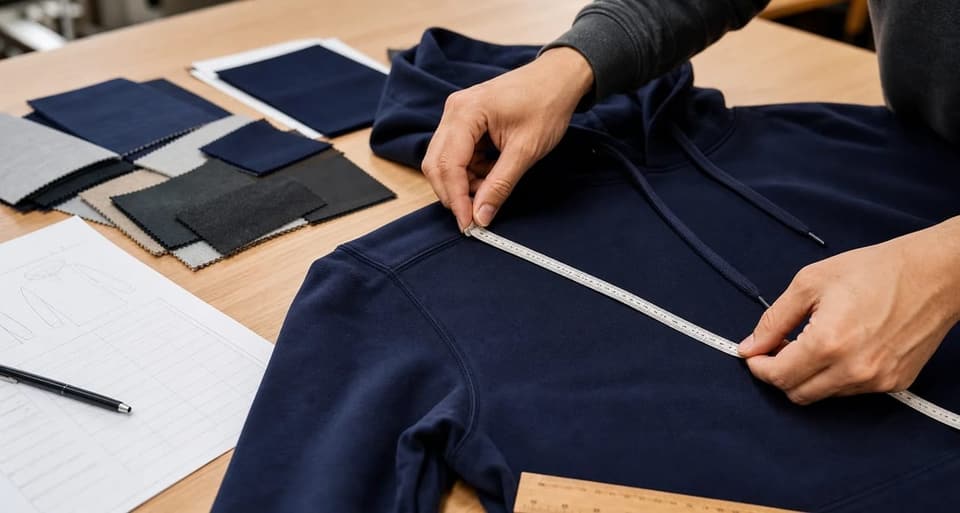
06
Measurement records
Points of measure checked against tolerance, at sample stage and in bulk.
ProvesQuality is measured, not eyeballed.
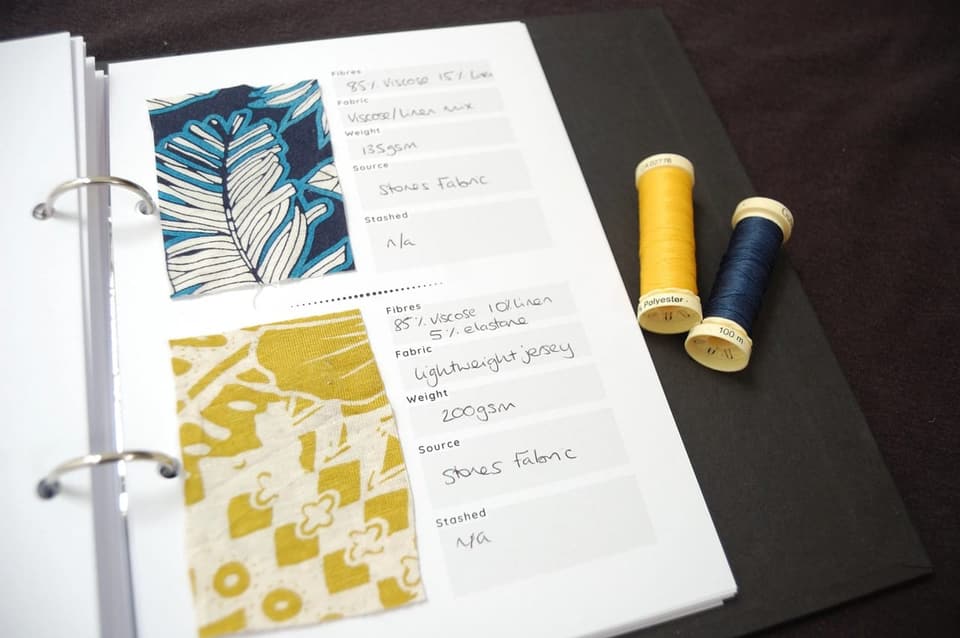
07
Fabric & trim library
Swatches by structure and GSM, plus rib, labels, zips and cords, tagged with spec.
ProvesWe can propose materials, not only accept them.
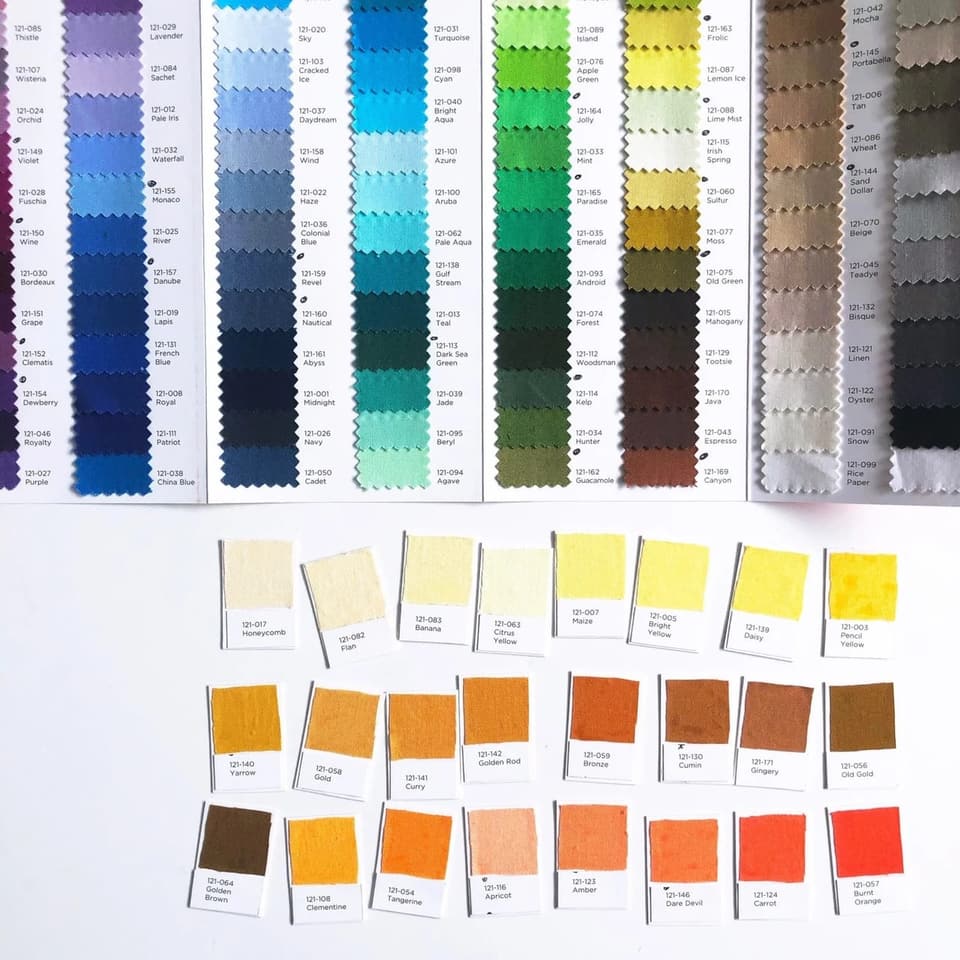
08
Colour standards
Lab dips and approved colour cards, filed with the order.
ProvesReorders match the first order.
09
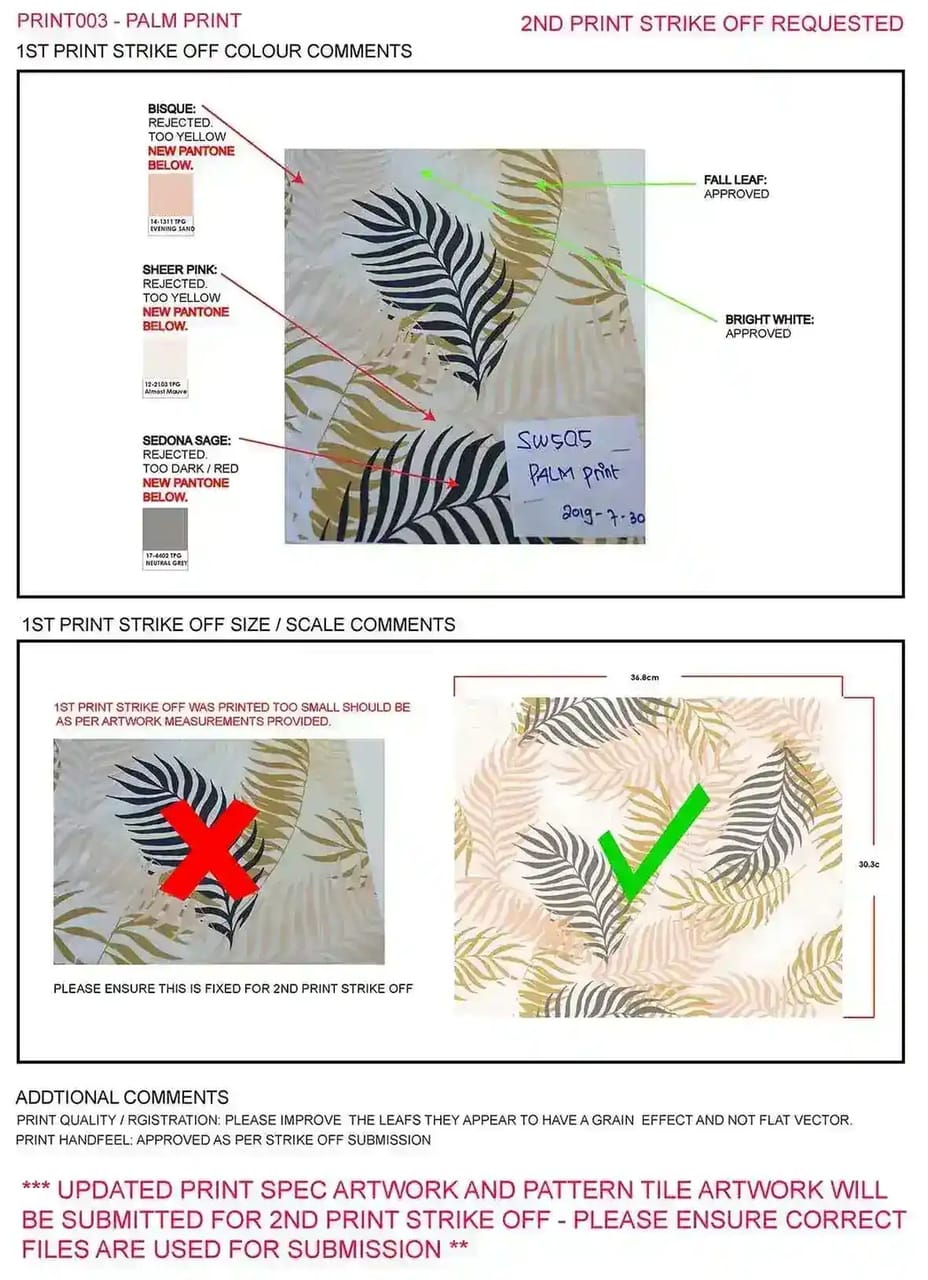
Print & embroidery strike-offs
Decoration tried on the actual fabric before bulk; the approved piece is archived.
ProvesArtwork works on knit, not just on screen.
10
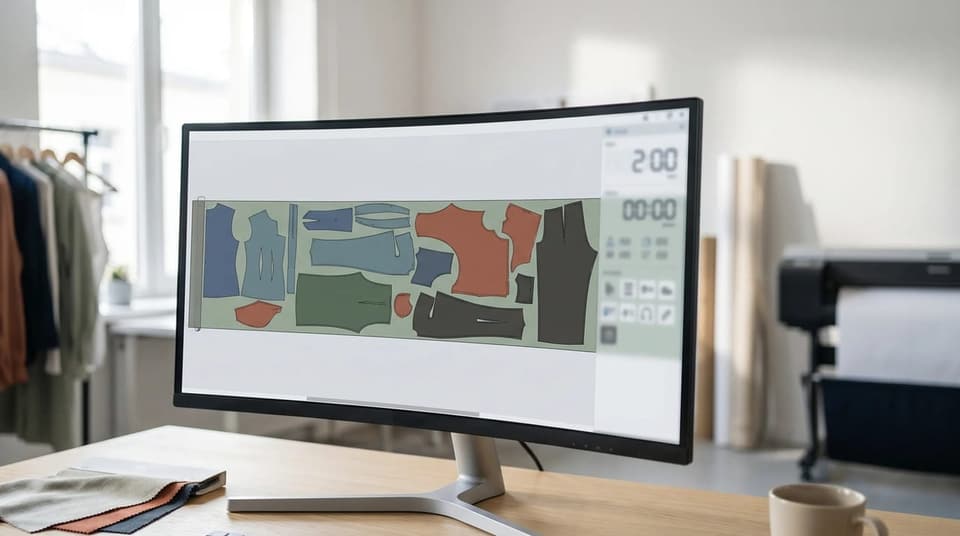
Consumption sheet (BOM)
Fabric kg and trims per garment, worked out from the marker.
ProvesPrices come from real usage.
11
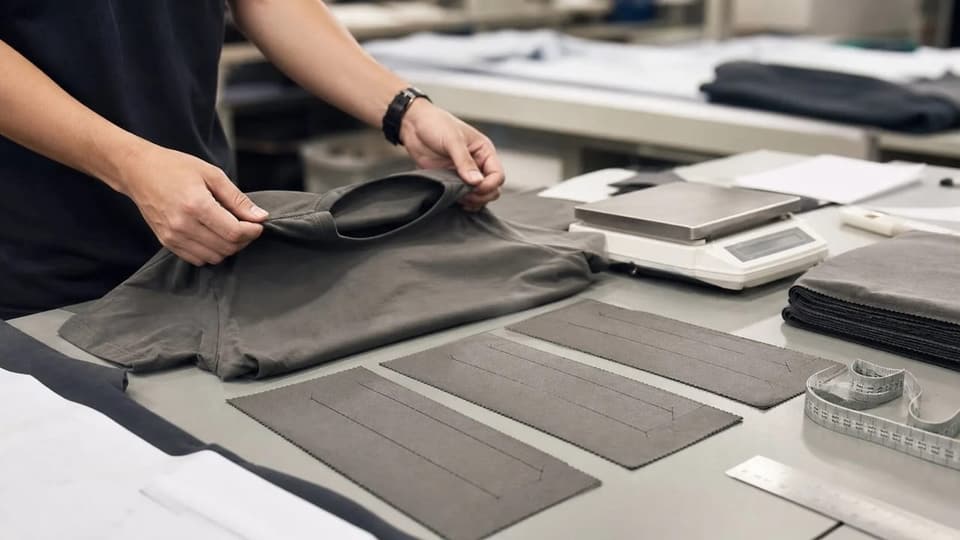
Wash & test results
Shrinkage, colourfastness and pilling checks; drawstring and small-parts checks for kidswear.
ProvesThe garment survives the wash, and the rules.
12
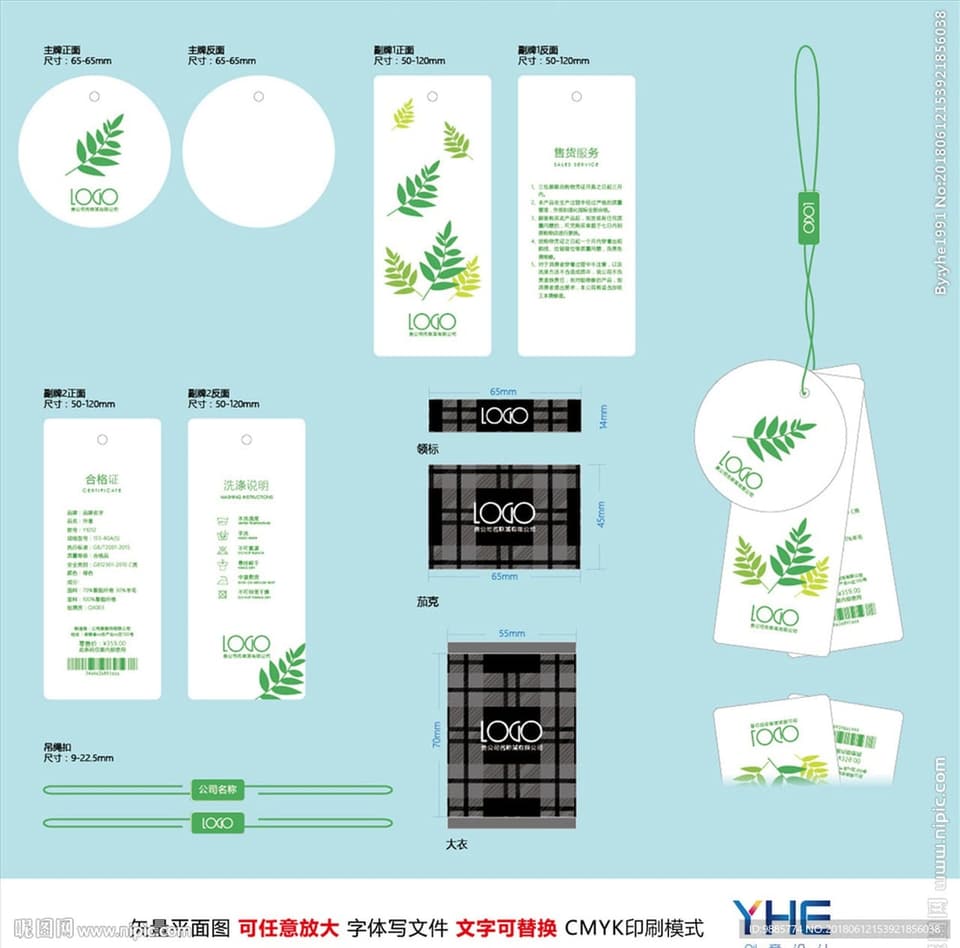
Private-label packing
Neck label, care label, hangtag, polybag and carton marks, approved as one set.
ProvesIt arrives under your brand, ready to sell.


Under control
What happens after you approve.
- Versioned
- Patterns, tech packs and BOMs carry a version and a date. Bulk is cut from the approved version only.
- Sealed sample
- The approved sample is tagged, signed and kept as the bulk reference.
- Reorder-ready
- Colour standard, pattern and BOM stay on file, so a reorder starts from the same documents.
- Kept private
- Your patterns and tech pack are filed under your order and never shown to other customers.
OEM vs ODM
Two ways to work with us.
| Aspect | OEM | ODM |
|---|---|---|
| Who designs | You supply the tech pack or reference garment | We develop it with you from a brief |
| Pattern & grading | Made to your measurements | Drafted in CAD by our pattern room, graded across your range |
| Fabric & trims | Your specification | We recommend fabric, GSM, rib and trims for the use |
| Best for | Brands with an established product | New programs, uniforms, ranges that need development |
How development works
Six steps from brief to carton.
01
Brief
A tech pack, a reference garment, or just the use case: who wears it, how often, in what climate, and with what logo.
Build a tech pack →02
Specify
We propose fabric, GSM, rib, trims and decoration, drawing on our standard bills of materials for each category.
Choose trims point by point →03
Pattern
Base patterns are drafted in CAD with shrinkage allowance and stretch/recovery calculated, then graded across your sizes.
04
Sample
A physical sample with your fabric, print or embroidery and labels. You approve fit, colour and finish before bulk.
05
Produce
Bulk production through eight inspected stages, from fabric relaxation to 100% needle detection.
Production process →06
Ship
Packed by size ratio into export cartons, with your labels, hangtags and polybags.
Carton calculator →
Development strength
A compact factory with a seasoned design room.
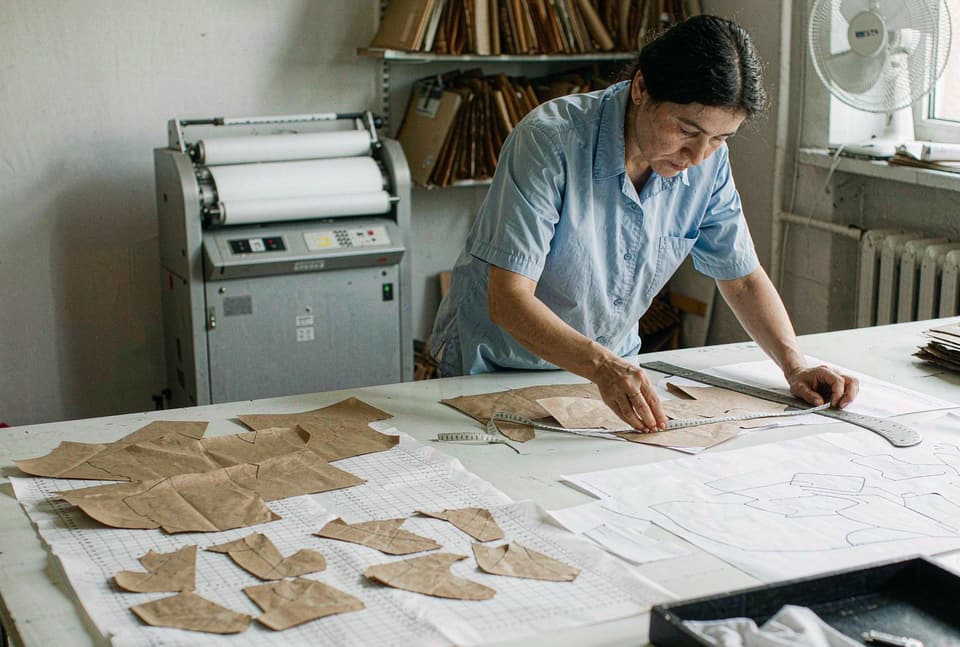
We are not a large factory, and we do not need to be to develop well. Development is led by a garment designer with 30 years in the knitwear trade, working alongside our pattern room and only a few steps from the sewing line. Your style stays with the same people from first sketch to bulk, so design, fit and construction decisions are made quickly and by people who have solved the same problem many times before. Knit patterns allow for shrinkage after washing and stretch in both directions; we build both in before grading.
- Lead designer experience
- 30 years in knitwear
- Design & pattern team
- 5 (2 pattern makers, 2 sample makers, 1 technician)
- New styles per month
- About 15–25 per month
- Sample lead time
- 7 working days
- Minimum order
- 30 pcs per style per colour on stock fabric, 50 pcs when fabric is bought in
Certificates & test reports
Systems, audits and lab results.
Grouped the way buyers check them. Only certificates and reports we actually hold are listed, and copies can be sent on request.
01
Management systems
How the factory controls quality, environment and safety as a system.

- ISO 9001
- ISO 14001
- ISO 45001
02
Social compliance audits
Working hours, wages, safety and worker rights, audited by third parties.

Being confirmed
03
Product safety & chemicals
Restricted substances and safety rules for the markets you sell into.

Being confirmed
04
Sustainable, organic & recycled
Chain-of-custody claims for organic and recycled content.

Being confirmed
05
Customs & supply-chain security
Supply-chain security programs that speed up customs clearance.

Being confirmed
06
Test reports
Third-party lab results for a specific fabric or garment.

Being confirmed
FAQ
Frequently asked questions
What is the difference between OEM and ODM clothing manufacturing?
In OEM manufacturing the buyer provides the design and specification and the factory produces it. In ODM manufacturing the factory also develops the design (pattern, fabric, trims and construction) from the buyer’s brief. Jehotex does both.
Do I need a tech pack to start?
No. A reference garment or a clear brief is enough for ODM development. If you want to write a tech pack yourself, our free tech pack builder walks you through it.
How can I check a factory’s ODM capability?
Ask to see development outputs rather than machines: versioned patterns, sample-round change logs, fit records, graded size sets, measurement records, lab dips, strike-offs and consumption sheets. A factory that really develops products keeps these for every style.
Who owns the patterns developed for my order?
Discuss ownership at quotation; we record the agreed terms with your order.
RFQ · Tech pack or brief welcome